
What happened
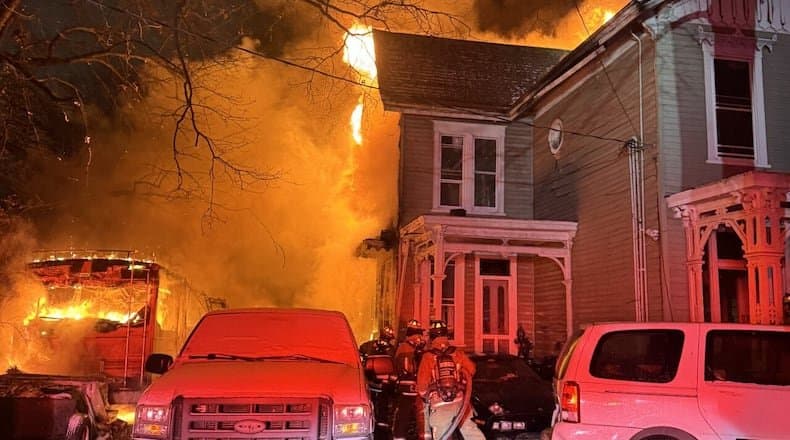
On March 11, 2026, emergency responders in Detroit, Michigan were called to a building near Third Street, close to MLK Jr. Blvd and the Lodge Freeway, after reports of an explosion. Upon arrival, Detroit Fire Department personnel determined the incident was actually a fire caused by a propane heater. One woman was killed, and one man was hospitalized with severe burns; he was expected to survive.
Initial reports attributed the incident to suspected utility theft. However, Detroit Police and Fire officials later clarified that the injuries were caused by a propane heater fire—not a pipe bomb or utility-related theft.[ClickOnDetroit] The building was reported as vacant at the time of the fire. No official damage estimate has been published, and the investigation was ongoing as of the most recent reporting.
Why indoor propane heater incidents keep happening
Propane heaters are widely used in residential, commercial, and temporary settings—garages, construction sites, warehouses, and vacant buildings. They are effective and relatively inexpensive. But when they are used improperly, without adequate ventilation, near combustible materials, or without regular maintenance, the consequences can be severe.
Common factors in propane heater fires and explosions include improper indoor use of outdoor-rated heaters, inadequate ventilation leading to gas accumulation, placement too close to combustible materials, and faulty or damaged regulators and hoses. Each of these factors represents a failure point that proper inspection and documentation practices are designed to catch before an incident occurs.
NFPA standards and compliance expectations
Propane operations in the United States are generally governed by NFPA 54 (National Fuel Gas Code) and NFPA 58 (Liquefied Petroleum Gas Code). NFPA 54 covers the installation, maintenance, and safe use of fuel gas piping systems and appliances, including propane heaters. NFPA 58 addresses the storage, handling, and transportation of LP-Gas.
After any propane-related incident, investigators and insurers will look for documented evidence that equipment was properly installed, inspected, and maintained. They expect to see records showing who performed inspections, when they were completed, what was observed, and what corrective actions were taken if any issues were found.
Insurance consequences following propane incidents
It is worth noting that most propane insurance carriers take a hard line after fire or explosion events. Policies may be revoked entirely, premiums may increase dramatically, and companies may find it nearly impossible to obtain replacement coverage. The financial exposure extends well beyond the physical damage of the incident itself.
For propane companies that supply, install, or service heating equipment, the risk is compounded. If a customer’s propane heater causes a fire and the supplier cannot demonstrate that proper safety checks were performed at delivery, installation, or service, the liability exposure can be significant.
What documentation should look like
A strong safety documentation program for propane operations typically includes standardized inspection checklists covering equipment condition, installation compliance, and ventilation requirements; photo evidence with GPS coordinates and timestamps showing the state of equipment at the time of service; records of customer safety advisories and warnings delivered during service visits; and corrective action tracking that documents any hazards identified, repairs made, and follow-up verification.
Practical takeaway
The Detroit incident is a tragic reminder that propane heater fires remain a persistent risk, particularly in settings where heating equipment may be used outside of its intended conditions. For propane companies, the lesson is familiar but important: every delivery, every installation, and every service call is a documentation opportunity.
Digital safety documentation platforms like TankSpotter help propane companies protect themselves by creating structured, audit-ready records—with photos, GPS, timestamps, and automatic compliance checks—so that if an incident ever occurs, the company has verifiable evidence of its safety practices rather than relying on memory or paper records.
Sources: WHYY • NJ.com